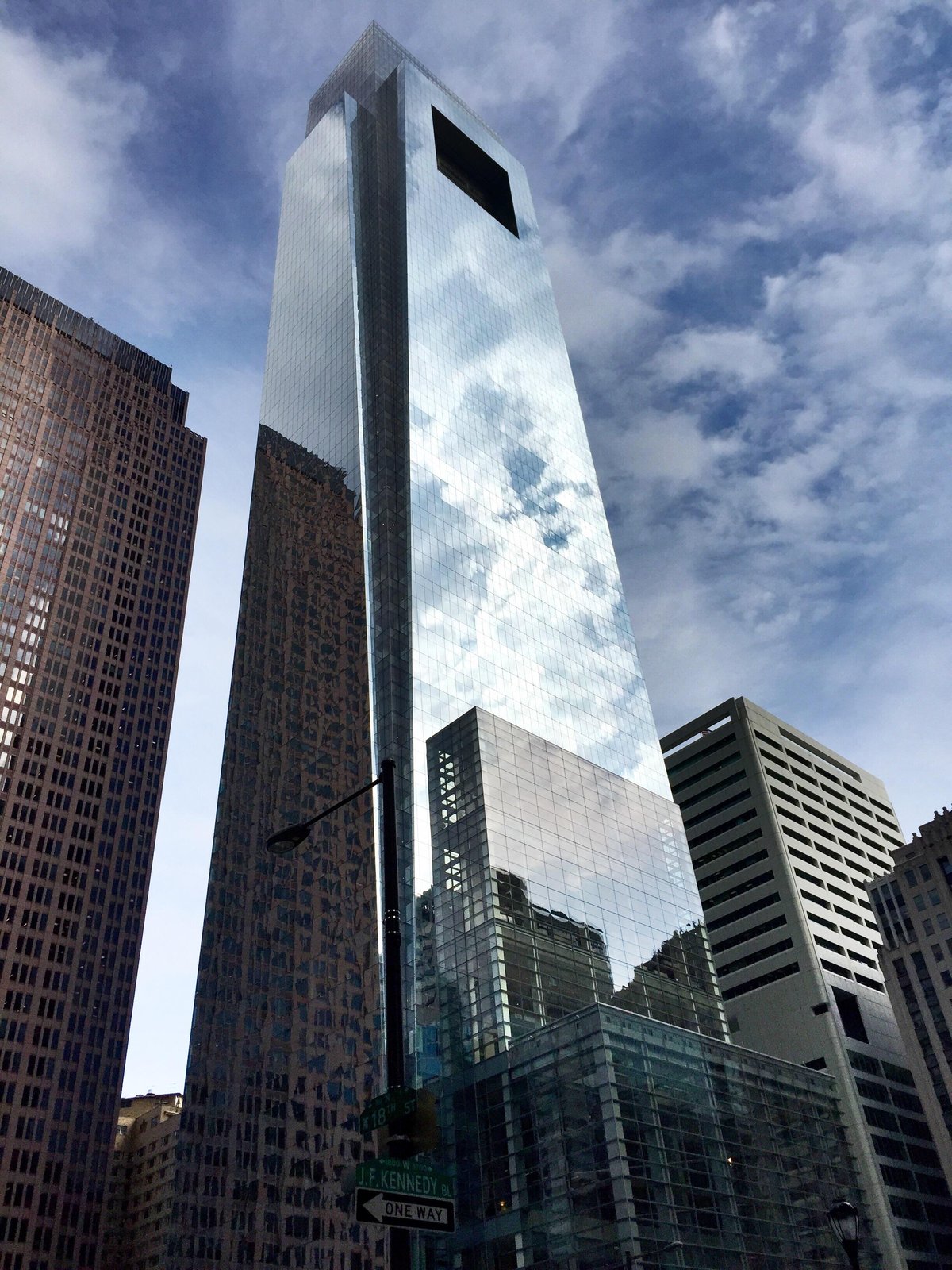
On a Monday evening in July, a sudden, thunderous bang startled residents and workers across Center City Philadelphia. The source? A generator malfunction at the iconic Comcast Center, leading to a visible plume of black smoke and a jolt felt throughout the urban core. While thankfully no injuries were reported, the incident served as a potent reminder of the complex, critical infrastructure that powers our high-rise cities and the unexpected events that can disrupt them.
This Super Pillar hub aims to provide a comprehensive look at what happened, why it matters, and what we can learn from such occurrences. We’ll delve into the specifics of the Comcast Center incident, explore the technicalities behind generator backfires, examine the broader implications of power system failures in towering structures, and discuss the vital role of prevention and safety.
The Day Center City Shook: Unpacking the Comcast Center Incident
Just before 7:30 p.m. on July 21, a routine testing procedure at the Comcast Center on Arch Street took an unforeseen turn. According to Comcast Security, a pump malfunctioned inside one of the building's generators, triggering the loud explosion that reverberated through the city. Eyewitnesses, including staff in the nearby NBC10 newsroom, not only heard the significant sound but also reported feeling the concussion and seeing black smoke rising from the area between the Comcast Center and the Arch Street Presbyterian Church. It was a dramatic moment that quickly captured local attention. For a detailed sequence of events and a clearer picture of how the incident unfolded, you'll want to explore the Comcast Center Generator Incident Timeline.
Beyond the Boom: Understanding Generator Malfunctions in High-Rise Structures
The incident at the Comcast Center wasn't just a loud noise; it was a malfunction within a critical piece of equipment designed to ensure continuous power. Generators in high-rise buildings like the Comcast Center are essential for backup power, especially for vital systems during outages. When a component like a pump malfunctions during testing, it can lead to significant mechanical failure, often accompanied by loud noises and smoke. These machines are complex, and their intricate workings require precise conditions to operate safely. To gain a deeper understanding of the mechanical and operational reasons behind such events, consider reading our guide to Understand generator backfire causes Why your.
Ripples Across the Skyline: The Broader Implications of Power System Failures
While the Comcast Center incident fortunately resulted in no injuries, it highlights the potential vulnerabilities inherent in complex urban infrastructure. A power system failure in a major skyscraper doesn't just impact that building; it can raise public safety concerns, disrupt surrounding businesses, and even strain emergency services. In a bustling metropolis like Philadelphia, the reliability of critical power systems is paramount for daily operations, commerce, and the comfort and safety of thousands. Understanding these wider consequences is key to appreciating the importance of robust infrastructure. You can further discover the many ways these events resonate by looking into the Discover high-rise power system impacts.
Learning from Incidents: Investigations and Safeguards for Urban Infrastructure
Following any significant building incident, a thorough investigation is crucial to determine the root cause, identify any procedural shortcomings, and implement corrective measures. Such inquiries often involve internal safety teams, external experts, and potentially regulatory bodies, all working to ensure similar events are prevented in the future. The goal is always to enhance safety protocols and strengthen the resilience of urban infrastructure against unforeseen challenges. For insights into how these critical assessments are carried out and the regulatory frameworks involved, we recommend you Understand building incident.
Prioritizing Prevention: Ensuring Safety and Reliability for Critical Systems
The best defense against incidents like the Comcast Center generator malfunction is proactive prevention. This includes rigorous preventative maintenance schedules, routine testing under controlled conditions, and continuous monitoring of critical systems. Building operators and facility managers bear the significant responsibility of ensuring that all equipment, especially high-stakes power generators, is in optimal working condition and adheres to the highest safety standards. Investing in these measures not only safeguards property but, most importantly, protects lives. To learn more about the best practices and essential steps involved, delve into our guide on Preventative Maintenance and Safety for.
The Comcast Center generator incident serves as a stark reminder that even in the most technologically advanced structures, vigilance and proactive maintenance are non-negotiable. By understanding these events and continuously striving for improvement, we can ensure our cities remain safe, functional, and prepared for whatever challenges lie ahead.