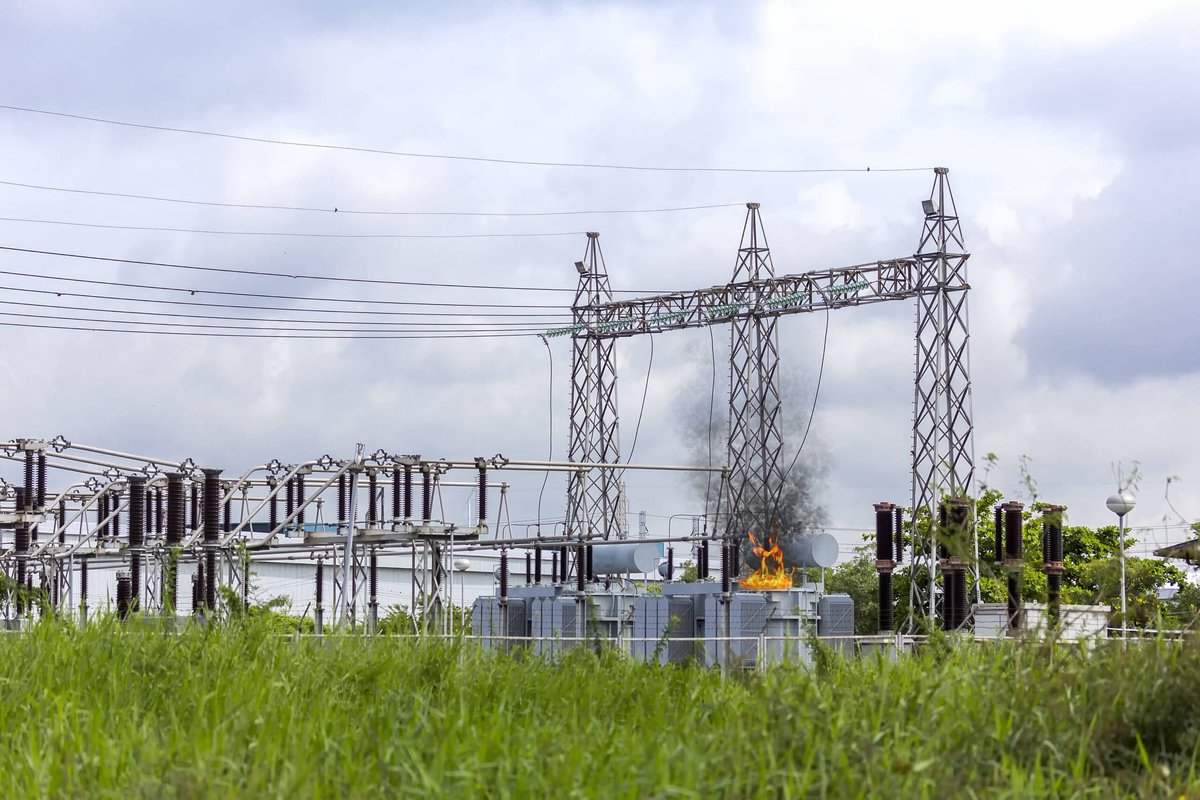
Imagine being trapped dozens of stories up, the hum of the city fading into an unsettling silence. The lights flicker, then die. The air conditioning grinds to a halt, the elevators cease their ascent, and the internet connection vanishes. This isn't just an inconvenience; it's the profound impact of high-rise power system failures, which can cripple daily life, turning modern marvels into challenging, even dangerous, environments.
When the grid goes dark in a towering building, the effects cascade, touching every aspect of our existence, from essential services to personal safety. Understanding these vulnerabilities and knowing how to prepare isn't just prudent—it's essential for navigating an increasingly complex world.
At a Glance: Understanding High-Rise Power Outages
- Beyond Inconvenience: Power failures in high-rises cut off critical services like lighting, air conditioning, heating, and communication, making daily life incredibly difficult.
- Vulnerable Populations Hit Hardest: The elderly, socially isolated, those with limited access to services, or individuals relying on medical equipment (like ventilators) face severe risks.
- Measuring the Cost: While economic damages and energy not served are measured after an outage, tools like Value of Lost Load (VoLL) try to predict the human cost beforehand. Community vulnerability is a key factor.
- Common Culprits: Causes range from extreme weather (snow, heatwaves), human error, and aging infrastructure to technical malfunctions. Climate change is making severe weather events more frequent.
- Global History: Major blackouts, like those in Poland (2006, 2008) and India (2012), show the massive scale of disruption possible.
- Dual Approach to Safety: Mitigating harm requires both top-down efforts (utility upgrades, better data, identifying vulnerable regions) and bottom-up actions (individual preparedness, community support).
When the Lights Go Out: The Human Cost of High-Rise Failures
A power outage isn't just about darkness. In a high-rise, it signifies the immediate loss of systems we often take for granted but rely on for basic comfort, health, and safety. Think about the basics: lighting for navigation, climate control to regulate temperatures, and communication systems to connect with the outside world. All these vanish, often without warning.
For many, this disruption is merely a nuisance, a temporary annoyance. But for vulnerable individuals—the elderly, those with chronic health conditions, or people who are socially isolated—a power failure can quickly become a life-threatening event. Imagine someone relying on an oxygen concentrator or a ventilator suddenly losing power, or a resident unable to navigate dark stairwells due to mobility issues. The simple act of living in a high-rise, designed for convenience, can transform into a perilous challenge when its power umbilical cord is severed.
The Unseen Fallout: Beyond the Flickering Lights
The immediate impacts are obvious: no lights, no air conditioning, no heat. But the domino effect in a high-rise extends much further. Elevators become unusable, trapping residents or preventing emergency services from reaching those in need. Water pumps, critical for upper floors, can fail, cutting off access to running water for sanitation and drinking. Security systems often go offline, potentially compromising safety.
Communication channels—internet, landlines, even cell towers in dense urban areas—can also be affected, isolating residents from emergency information or loved ones. The modern reliance on digital devices means even a simple charged phone can't last indefinitely without a power source. This forced disconnect highlights our deep integration with electrical grids, especially within the vertical communities of high-rise buildings.
Pinpointing Vulnerability: Who Suffers Most?
While everyone in a high-rise feels the pinch of an outage, certain populations are disproportionately affected. Their vulnerability stems from several factors:
- Age: Older adults may struggle with mobility in dark stairwells, be more sensitive to temperature extremes, or have pre-existing health conditions exacerbated by power loss.
- Health Conditions: Individuals with chronic illnesses, particularly those dependent on electrical medical equipment (e.g., CPAP machines, dialysis equipment, ventilators), face immediate and severe risks. Loss of refrigeration for essential medications is also a critical concern.
- Social Isolation: Those living alone, without family or friends nearby, might lack immediate assistance or a support network to check on their well-being during a prolonged outage.
- Limited Service Access: Residents with financial barriers or language difficulties may struggle to access alternative accommodations, transportation, or emergency services.
Identifying these vulnerable groups before an outage is crucial for emergency planning and targeted support.
Measuring the True Cost: Beyond Economic Damages
How do we quantify the gravity of a power outage, especially when it impacts a dense urban environment like a high-rise? Historically, we've looked at hindsight statistics: the number of energy-related deaths, total economic damages to businesses and infrastructure, the megawatt-hours (MWh) of energy not served, and even excess emergency room visits. These metrics tell us the story after the fact, but they don't fully capture the fear, discomfort, and disruption experienced by individuals.
Value of Lost Load (VoLL) and Community Resilience
To better assess human impact before an outage, experts use methods like the Value of Lost Load (VoLL). Calculated in monetary units, VoLL attempts to weigh the predicted costs of an outage against the benefits of infrastructure upgrades. It can be derived for entire consumer segments, providing a proactive way to prioritize investments.
However, VoLL has its limitations. It struggles to capture the full spectrum of adverse human experiences and the specific nuances of community vulnerability. An alternative, and increasingly standard, approach is to consider community vulnerability. This method assesses factors like demographics, socio-economic status, and access to resources to identify areas and populations most at risk during a power system failure. Understanding community vulnerability allows for more targeted preparation and recovery efforts, moving beyond purely economic considerations to focus on human well-being.
Why High-Rise Systems Fail: A Look at the Root Causes
Power systems, especially those feeding complex high-rise structures, are intricate networks vulnerable to a variety of internal and external threats. Their failures are rarely simple.
Common culprits include:
- Atmospheric Conditions: Extreme weather is a leading cause. Violent snowfalls can bring down power lines, as seen in the "failure of the century" in Szczecin, Poland, in 2008, which cut power to the city for a full day. Intense heat, like the overload that caused a widespread outage in NE Poland in 2006, affecting millions, can stress grid components to their breaking point. Hurricanes, ice storms, and tornados similarly wreak havoc on infrastructure.
- Human Errors: Despite advanced systems, human mistakes—during maintenance, operation, or even design—can lead to catastrophic failures. Incorrect switching procedures, miscalculations, or oversight can trigger cascading outages.
- Technical Issues: Aging infrastructure, material wear and tear, equipment malfunctions, or outdated technology are constant threats. Circuit breakers can fail, transformers can blow, and underground cables can degrade. Maintaining a complex building's internal electrical grid, including its backup systems, is a massive undertaking. Sometimes, even the backup systems can fail spectacularly, as was the case with the Philadelphia Comcast generator backfire, highlighting the need for robust redundancy and maintenance.
- Climate Change: A significant and growing factor, climate change is exacerbating the frequency and intensity of extreme weather phenomena. This means more severe heatwaves, more violent storms, and greater stress on already strained power grids, leading to more frequent and prolonged outages.
Echoes of Darkness: Historic Blackouts and Their Lessons
History is replete with examples of large-scale power failures that underscore the critical need for resilient power systems:
- Szczecin, Poland (April 8, 2008): A severe snowfall plunged the city into darkness for an entire day, disrupting all aspects of daily life. This event highlighted the fragility of infrastructure against unexpected severe weather.
- Northeastern Poland (June 26, 2006): A blistering heatwave caused an overload on the power system, leading to a widespread blackout affecting millions for several hours. This demonstrated the vulnerability of grids to extreme temperatures.
- India Blackout (July 2012): One of the largest power outages in history, impacting approximately 620 million people across multiple states. This colossal failure brought transportation, communication, and essential services to a standstill, underscoring the systemic risks in highly populated regions with immense power demands.
These events, while not exclusively high-rise specific, illustrate the severe consequences of power system failures on strategic areas like healthcare, public safety, transportation (think traffic lights going out), and the countless devices we rely on daily.
Building Resilience: Top-Down Strategies for Utilities
Mitigating the harm from high-rise power system failures requires a concerted effort, starting from the very top of the power delivery chain. Electricity providers and regulatory bodies have a crucial role in building more resilient infrastructure.
Key top-down actions include:
- Prioritizing Infrastructure Upgrades: Investing in modernizing aging grids, replacing old components, and implementing smart grid technologies can significantly enhance reliability. This includes strengthening transmission lines, hardening substations, and improving the resilience of distribution networks that feed high-rise buildings.
- Enhancing Data Collection and Analysis: Currently, data on past outages is often fragmented across Transmission System Operators (TSOs), utility companies, and regulatory bodies. Improving the scope and availability of this data is vital. Better data allows providers to identify patterns, pinpoint the most vulnerable regions and consumer segments, and allocate resources more effectively for both prevention and recovery. Efforts are actively underway to address these data gaps.
- Identifying Vulnerable Consumers and Regions: Proactive mapping of areas with high concentrations of vulnerable populations (e.g., elderly care facilities, hospitals, low-income housing) allows utilities to prioritize restoration efforts and coordinate with emergency services. This ensures that critical infrastructure and the most at-risk individuals receive attention first.
- Implementing Advanced Monitoring and Self-Healing Grids: Technologies that can detect faults quickly, isolate affected areas, and reroute power automatically can significantly reduce outage durations and prevent small incidents from escalating into major blackouts.
- Strengthening Cybersecurity: As grids become more digitized, protecting them from cyberattacks is paramount. A successful cyberattack could cause widespread and prolonged outages, with devastating consequences.
Power in Your Hands: Bottom-Up Preparedness for Residents
While utilities work on the big picture, individual residents and high-rise management teams have a significant role to play in preparing for and responding to power outages. Your personal preparedness can make a world of difference when the unexpected occurs.
Essential Personal Preparedness Kit
For any high-rise resident, a well-stocked emergency kit is non-negotiable:
- Charged Power Banks: Keep multiple power banks charged to extend the life of your mobile phone and other essential devices.
- Battery-Powered Flashlights: Headlamps are particularly useful as they free up your hands.
- Extra Batteries: Stock up on the correct sizes for all your battery-powered devices.
- Traditional Candles & Matches/Lighters: Use with extreme caution, away from flammable materials, and never leave unattended.
- A Tourist Gas Stove & Fuel: For heating water or simple meals, especially if your building relies entirely on electricity for cooking. Ensure good ventilation if using indoors.
- Battery-Powered Radio: Essential for receiving emergency broadcasts and updates when other communication channels are down.
- Non-Perishable Food & Water: Have at least a 3-day supply. Remember, water pumps might fail on upper floors.
- First-Aid Kit & Prescription Medications: Ensure you have enough of any critical medications, plus basic first aid supplies.
- Cash: ATMs won't work without power.
- Warm Blankets/Sleeping Bags: If heating is out during cold weather.
Beyond supplies, having a family communication plan is vital. Know how you'll contact loved ones if cell service is down, and have an out-of-state contact person who can relay messages.
Community as a Lifeline: Supporting the Most Vulnerable
Individual preparedness is crucial, but a strong community network can be the true lifeline, particularly in a high-rise setting. Many vulnerable individuals—those with financial barriers, mobility limitations, or a lack of personal resources—cannot adequately prepare on their own.
- Check on Your Neighbors: During an outage, a simple knock on the door can ensure a vulnerable neighbor is safe and has what they need. Offer assistance if you're able.
- Community Hubs: High-rise management or community associations can designate specific, electricity-secured locations within the building (if available and generator-backed) or identify external shelters where vulnerable residents can be moved during prolonged outages.
- Sharing Resources: If you have extra supplies, consider sharing them with neighbors in need. A strong community spirit can transform a daunting situation into a manageable one.
- Volunteer Networks: Establish a pre-existing volunteer network within the building to assist those who cannot navigate stairs, have medical needs, or require assistance with food and water.
This bottom-up approach, driven by empathy and mutual support, is an indispensable layer of resilience against the chaos of a power system failure.
Demystifying the Dread: Common Questions About Power Outages
Facing a blackout in a high-rise can be disorienting. Here are answers to some common questions:
How long do high-rise power outages typically last?
The duration varies wildly depending on the cause. A minor technical glitch might be resolved in minutes or a few hours. A major grid failure due to extreme weather or a severe equipment malfunction could last days, as seen in historical examples. Building-specific issues (like a generator failure) might also have unique resolution times. Always be prepared for at least 72 hours without power.
What should I do first if the power goes out in my high-rise?
First, stay calm. Then, check if it's just your unit or the entire building/block. If possible, unplug sensitive electronics to protect them from power surges when electricity returns. Use a flashlight, not candles, for initial checks. If elevators stop, do not try to force them open; await emergency personnel.
Are high-rise buildings required to have backup power?
Many high-rise buildings, especially newer constructions or those with critical functions (e.g., hospitals, data centers), are legally required to have emergency backup power, typically in the form of diesel generators. These usually power essential systems like emergency lighting, fire suppression, critical communication systems, and sometimes a limited number of elevators. However, they rarely power every apartment unit or all building systems.
What if my building's backup generator fails?
This is a critical scenario. If the primary grid and the backup generator both fail, the building is entirely without power. In such cases, the situation becomes much more severe, often requiring evacuation or external support for essential services. This underscores the need for regular generator maintenance and testing.
How can I get emergency information without power?
A battery-powered or hand-crank radio is your best bet for local emergency broadcasts. Keep your phone charged with power banks for as long as possible. If all else fails, look for building staff or emergency services for information.
Taking Charge: What You Can Do Next
The impact of high-rise power system failures is significant, ranging from daily inconvenience to life-threatening emergencies. But you're not powerless. By understanding the risks, preparing proactively, and fostering strong community ties, you can dramatically improve your safety and well-being during an outage.
Start by auditing your personal emergency kit. Talk to your building management about their emergency plans and backup power capabilities. Get to know your neighbors, especially those who might need extra help. By taking these tangible steps, you transform from a passive occupant into an active participant in your own resilience. Don't wait for the lights to go out to realize what you've lost; prepare today to ensure you're ready for whatever tomorrow brings.